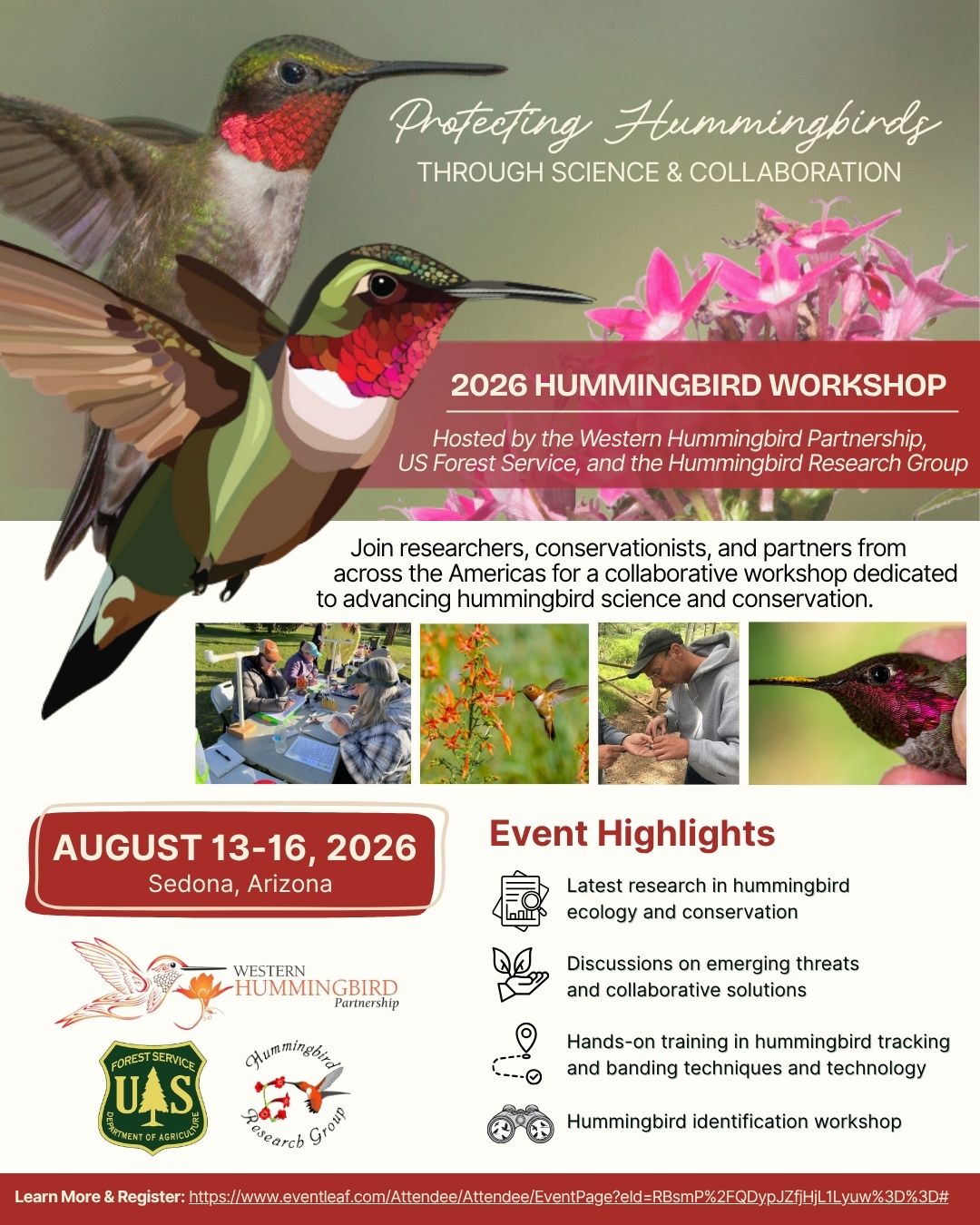
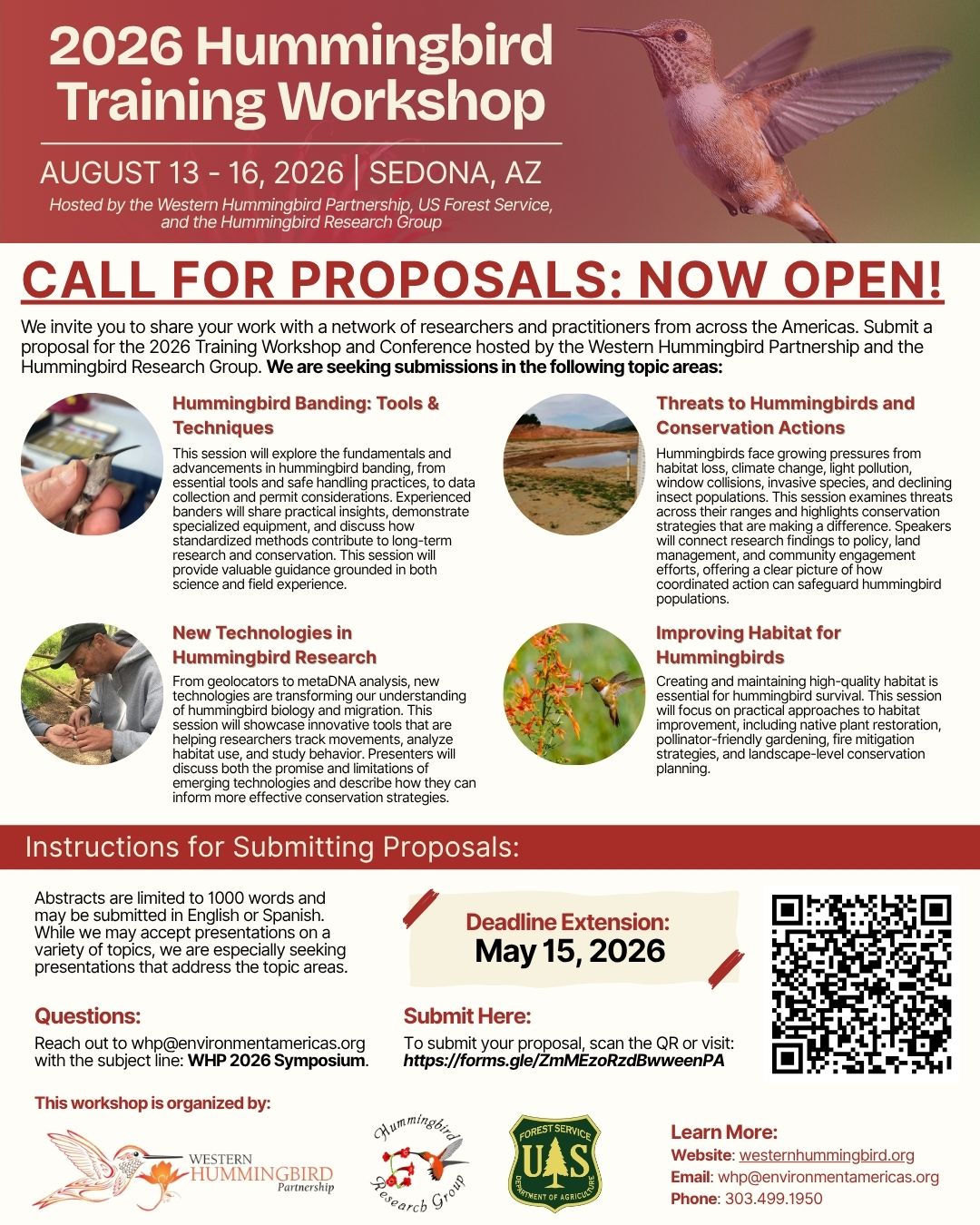
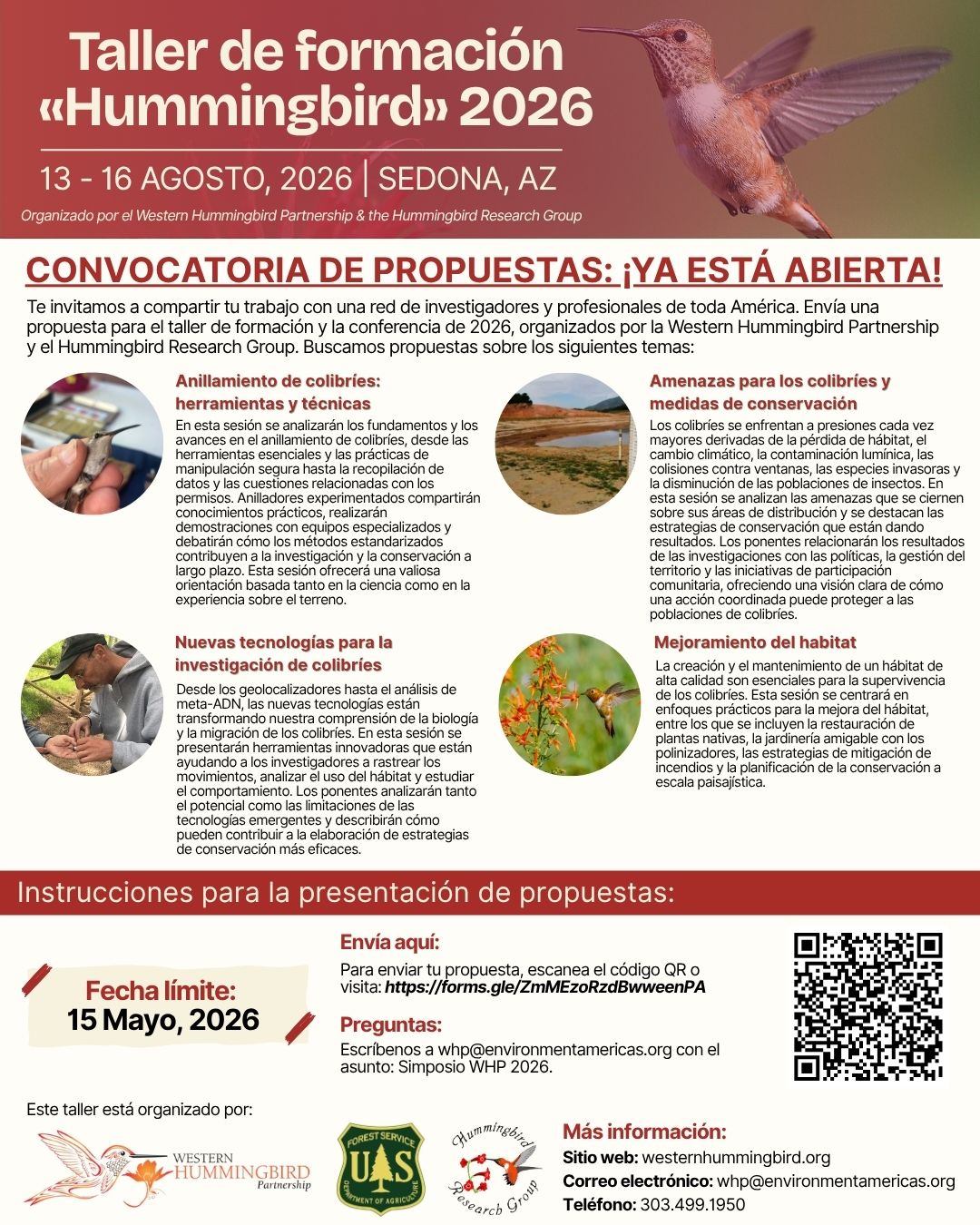
Set against the stunning backdrop of Sedona's red rock landscapes, this collaborative gathering will highlight current research, innovative techniques, and on-the-ground conservation efforts, with a shared focus on advancing strategies to better protect hummingbirds and the habitats they depend on. We welcome researchers, banders, conservationists, land managers, and enthusiasts to join us for a dynamic exchange of knowledge and ideas. This event is hosted by the Western Hummingbird Partnership, US Forest Service, and the Hummingbird Research Group.
Top photo by Nancy Loving
WHAT TO EXPECT
Research and Technology: Explore the latest findings, tools, and approaches in hummingbird research and science.
Conservation in Action: Sharing of practical strategies and challenges for habitat protection and restoration.
Networking and Collaboration: Meet and share ideas with fellow hummingbird researchers, banders, and conservation practioners.Hands-on Banding Opportunities: Field-based learning for permitted banders to share and refine banding techniques.
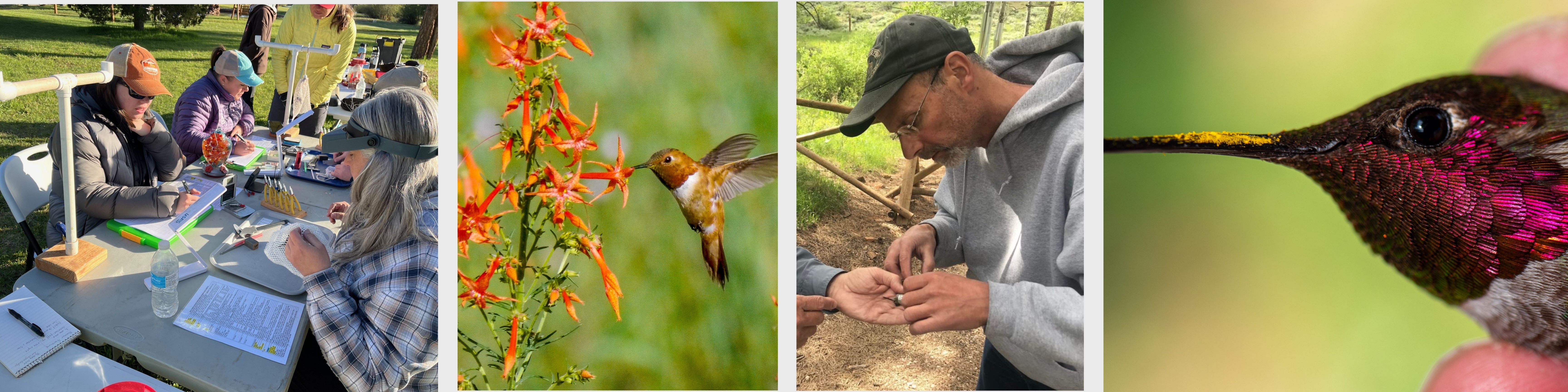
Hummingbird photos by Steve Bouricius
WORKSHOP THEMES
Hummingbird Banding: Tools and Techniques
This session will explore the fundamentals and advancements in hummingbird banding, from essential tools and safe handling practices, to data collection and permit considerations. Experienced banders will share practical insights, demonstrate specialized equipment, and discuss how standardized methods contribute to long-term research and conservation. The goal of this session is to provide valuable guidance grounded in both science and field experience.
Threats to Hummingbirds and Conservation Actions
Hummingbirds face growing pressures from habitat loss, climate change, light pollution, window collisions, invasive species, and declining insect populations. This session will examine the most pressing threats across their ranges and highlight conservation strategies that are making a difference. Speakers will connect research findings to policy, land management, and community engagement efforts, offering a clear picture of how coordinated action can safeguard hummingbird populations.
New Technologies in Hummingbird Research
From geolocators to metaDNA analysis, new technologies are transforming our understanding of hummingbird biology and migration. This session will showcase innovative tools that are helping researchers track movements, analyze habitat use, and study behavior. Presenters will explore both the potential and limitations of these approaches, and how these new technologies can be applied to inform more effective conservation strategies for hummingbirds.
Improving Habitat for Hummingbirds
Creating and maintaining high-quality habitat is essential for hummingbird survival. This session will focus on practical approaches to habitat improvement, including native plant restoration, pollinator-friendly gardening, fire mitigation strategies, and landscape-level conservation planning.
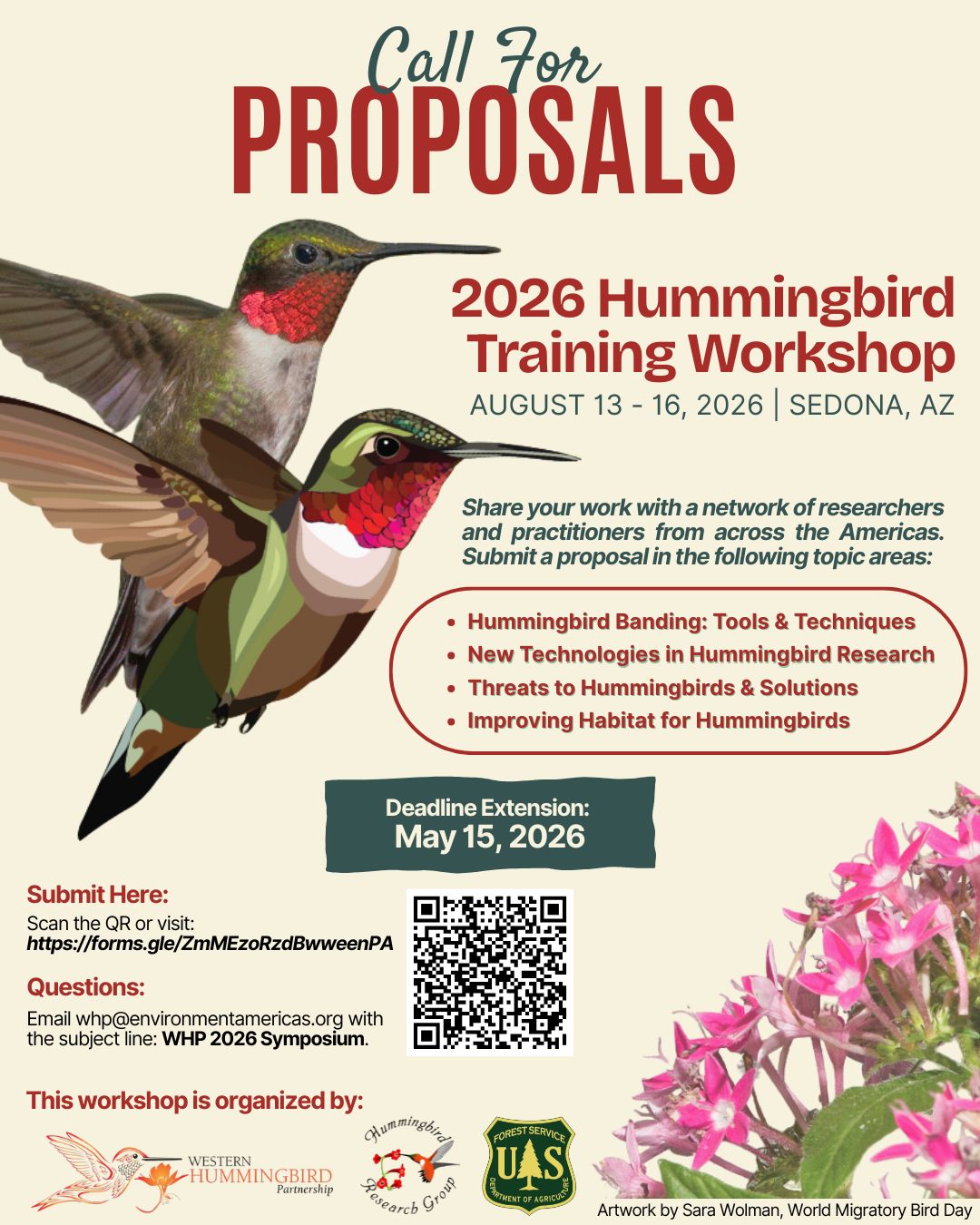
CALL FOR PROPOSALS
We invite presenters to share their work and engage with a broader community of experts and practitioners. A limited number of virtual presentation slots will be available.
Deadline to Submit: June 5, 2026
Submission Form: https://forms.gle/XwobF6ibDbSGr4R9A
Details: Abstracts are limited to 1000 words and may be submitted in English or Spanish. While we may accept presentations on a variety of topics, we are especially seeking presentations that address one or more of the workshop themes.
Questions: Send questions to whp@environmentamericas.org with the subject line: WHP 2026 Symposium.
Agenda
Speakers
Mary is studying the use of harnesses to attach tracking tags to hummingbirds. This long-term study will detail the results of her work, including methods of attachment, flight response, and variation in responses by several species.
Sheri is a naturalist, ornithologist, conservationist, hummingbird researcher, writer, speaker, artist, and author of A Field Guide to Hummingbirds of North America in the Peterson Field Guide Series.
No records found.
More Info
Banding Sites and Special Hosts
Banding is scheduled in five locations over three mornings (August 14-16). Each day, banders will be randomly assigned different locations. Bands will be supplied by the conference and will be distributed upon arrival to the banding site.
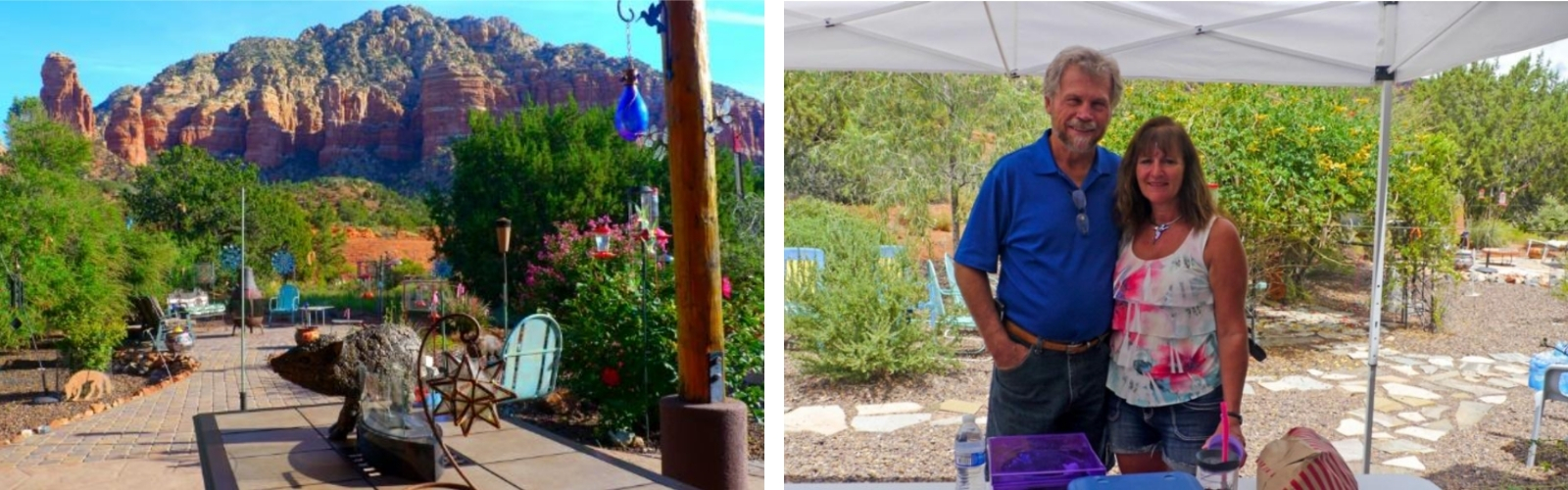
SITE 1: STEVE FIEDLER AND LENORE HEMINGWAY
Located near the Village of Oak Creek, the Hemingway home and hummingbird haven is simply majestic. With beautiful backdrop of red rocks, shaded trumpet vine covered gazebo and water features, it attracts thousands of hummingbirds. A hummingbird bander, Lenore, has an ever-increasing number of Costa’s hummingbirds at her feeders and in 2022 a Rivoli’s-Black-chinned hummingbird hybrid was banded in her yard. If you band at this location, there’s a good chance you will see families of javelinas foraging through their yard.
SITE 2: RICH AND NANETTE ARMSTRONG
A birding hotspot in the riparian Oak Creek corridor, this property attracts a wide variety of species including Bush Tits, Cardinals, Orioles, Summer Tanagers, Bridled Titmice, Common Black Hawks and at least five species of hummingbirds. It’s an excellent site for banders to catch hummingbirds and for non-banders to view birds. Dr. Armstrong is organizing the birding field trips for the workshop.

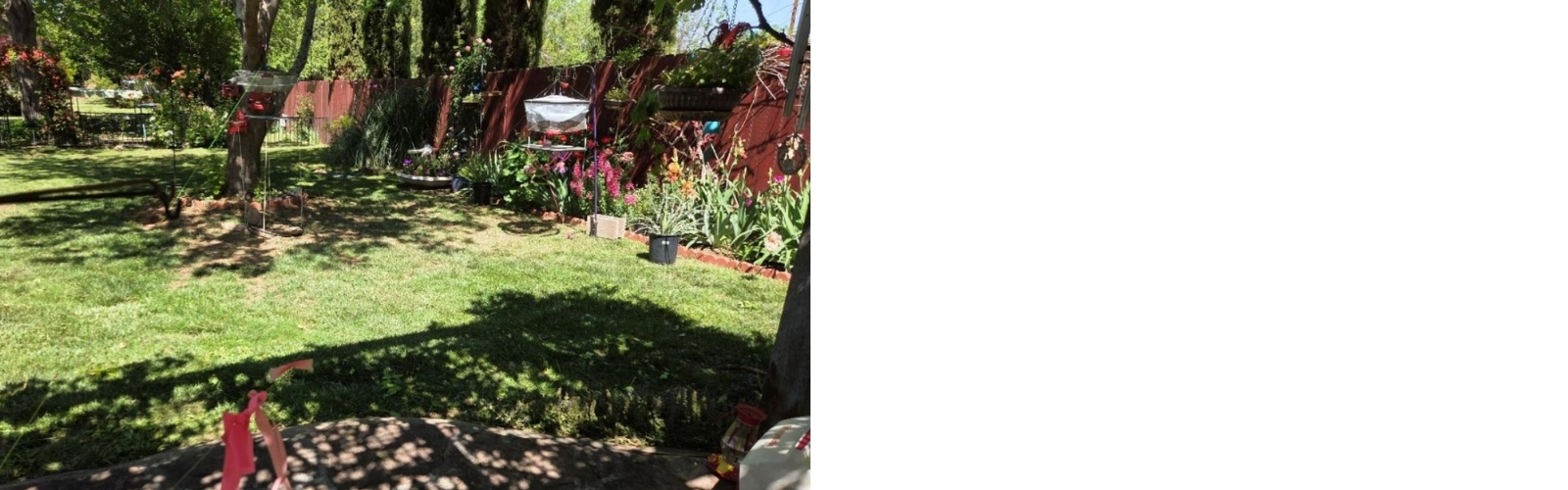
SITE 3: BERNADETTE BEZICH
Located in Corville, Bernadette’s yard is a lush, well-established shaded garden filled with flowering plants, vines and hummingbirds.
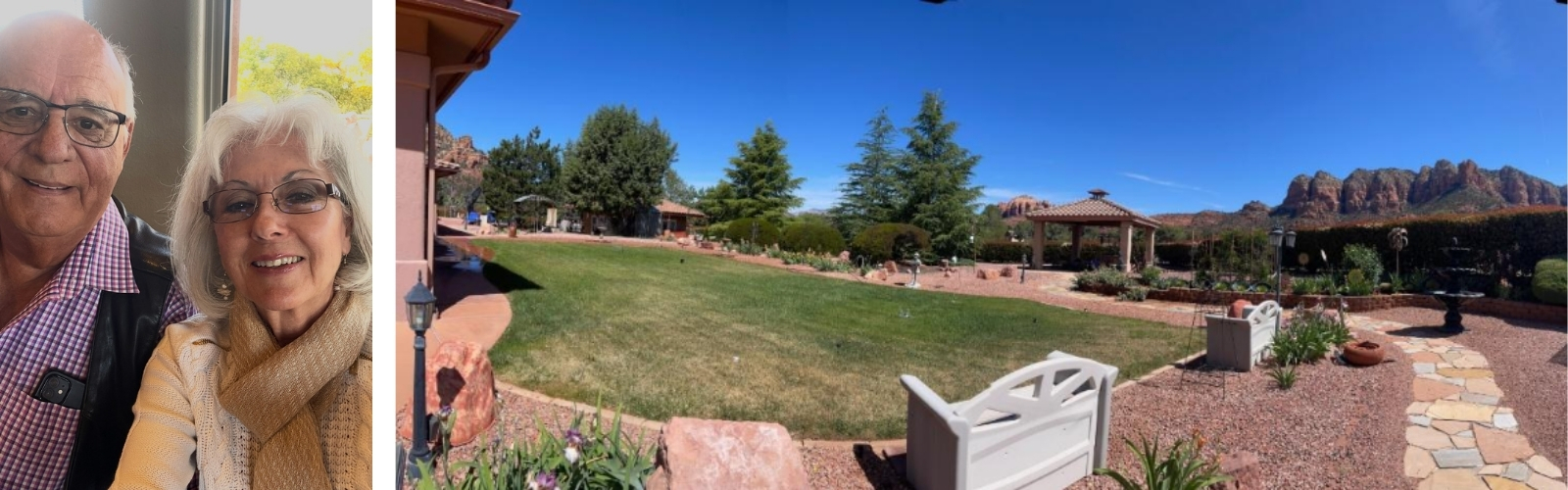
SITE 4: RITA AND PETER GENDRON
Discover paradise tucked away in the heart of Sedona. Gendron’s home offers a large, shaded porch overlooking an expansive yard surrounded by hummingbird flowers. Peter and Rita feed so many hummingbirds, they have a room dedicated to cleaning feeders and making sugar water.
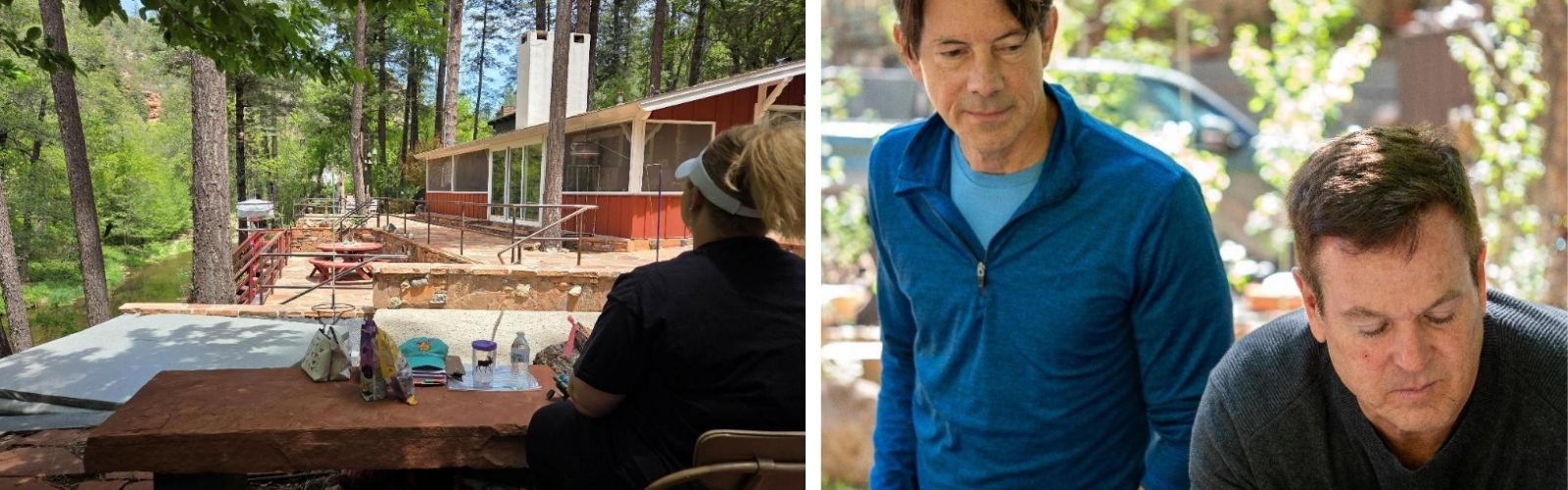
SITE 5: SHANE QUALLS
Nestled in forest next to Oak Creek Canyon adjacent to Coconino National Forest and with its many varieties of deciduous and evergreen trees, Shane and Jim’s home offers an ideal habitat for Rivoli’s and Broad-tailed hummingbirds, along with Anna’s and Black-chinned. It is here and sites nearby that we confirmed breeding of Rivoli’s in Northern Arizona.
Transportation
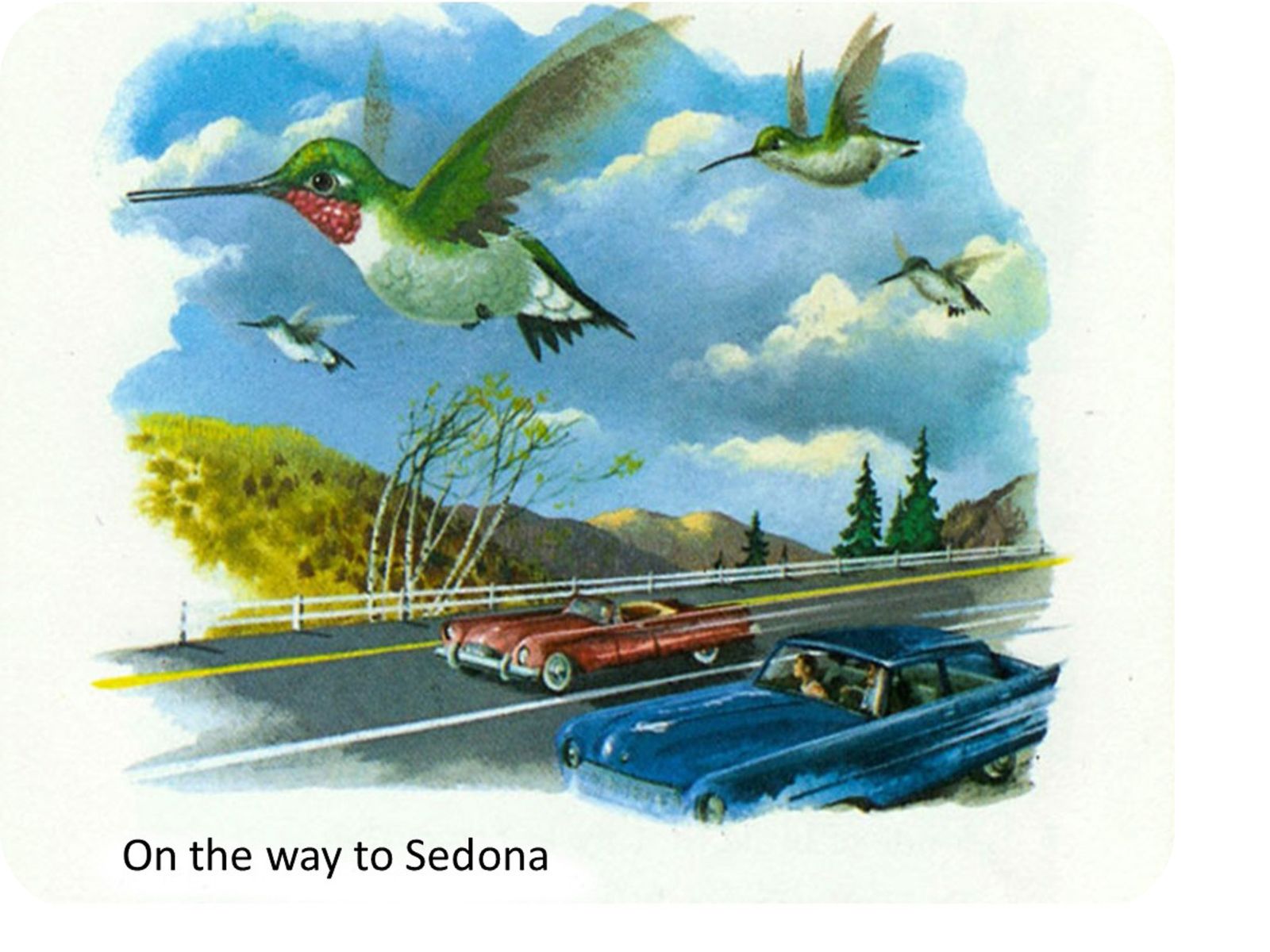 We’ve compiled the information below to help make your trip to and around Sedona as smooth as possible. To reduce our overall impact, we encourage carpooling when possible. If you have any questions, please reach out to whp@environmentamericas.org.
The Church of the Red Rocks is a short walk from the bus on Hwy 179. However, please note that public transportation does not extend to the Village of Oak Creek or the banding sites.
If you need transportation from Phoenix to Sedona, shuttle services are available through Groom Transportation. Visit https://groometransportation.com/sedona/
SHARED RIDES 
We've created a space for participants to share travel plans and coordinate rides. Please include your information to connect with others or indicate what you may need: https://docs.google.com/spreadsheets/d/1OzYjekoOiDDa8Alv3HEWGt928Hf_6i0K1cT997UwpBE/edit?usp=sharing
Workshop Venue
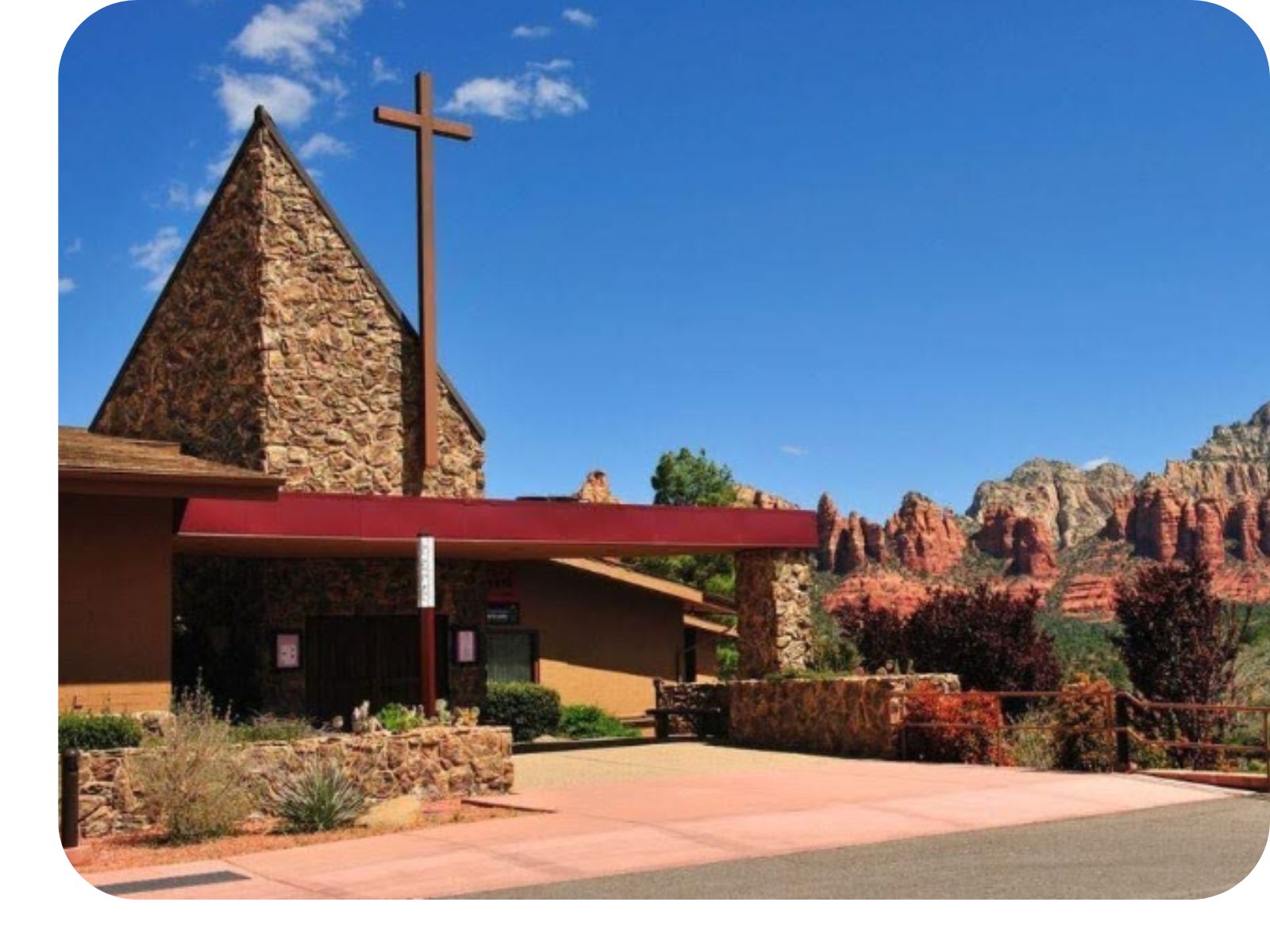 The workshop will be held at The Church of the Red Rocks, an open and affirming congregation in Sedona. Sessions will be held within the church classroom buildings. Detailed directions and check-in instructions will be shared in advance with participants. Parking is available on site. Learn more about the venue here: https://www.churchoftheredrocks.com/
ADDRESS
The Church of the Red Rocks
54 Bowstring Drive, Sedona, AZ 86336
GETTING THERE
The venue is conveniently located in Sedona just off AZ-179 and is easily accessible from across the region, with several dining options within a 10-minute drive.
- From Phoenix: Approximately a 2-hour drive north. Take I-17 to AZ-179 N, then follow signs to Bowstring Drive.
- From Flagstaff: Approximately a 1-hour drive south. Take State Route 89A south to Bowstring Drive.